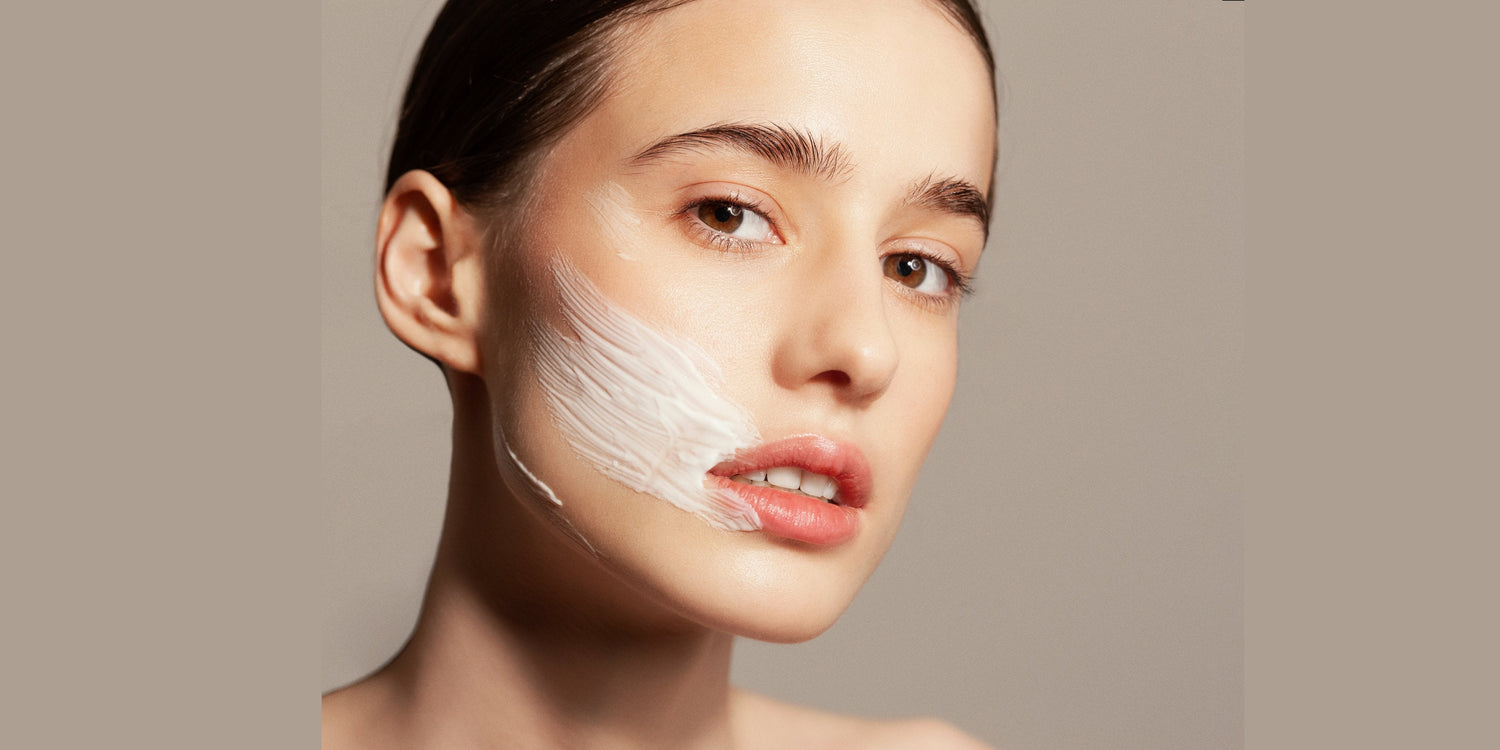


Combination Skin Routine: Why Oily and Dry Areas Need One Clear System
Gary WilliamsSkin Education | Combination Skin Routine | Routine Architecture
Combination skin is a skin type. It usually presents with more oil through the T-zone and comparatively less oil through the cheeks. The correct routine should support clarity where oil is higher while maintaining hydration and comfort across the whole face.
Within Skin Virtue, combination skin begins with The Clarity System - Super Clear Collection. Dryness, sensitivity or dehydration refine the products and pacing inside that pathway. They do not automatically move combination skin into a dry-skin collection.
A well-designed combination skin routine must account for more than shine alone. Your forehead may look oily by midday and your nose may congest easily, while your cheeks can still feel tight after cleansing. One moisturiser seems too rich; another disappears without leaving enough comfort.
This is one of the most common reasons combination skin becomes overcomplicated. Different areas appear to be asking for opposite things, so the routine starts behaving like two separate routines applied to one face.
The better approach is to identify the underlying skin type first, then refine the routine according to how different areas are behaving.
What a combination skin routine needs to address
Combination skin generally produces more sebum through the central face, particularly the forehead, nose and chin, while the outer face produces less. This can create visible shine, pore prominence or congestion through the T-zone alongside comparatively drier-feeling cheeks.
That does not mean the cheeks are necessarily a dry skin type. They may simply have lower oil output, reduced hydration, seasonal tightness or greater sensitivity to cleansing and active use.
Why a combination skin routine often fails
The usual mistake is to chase each visible area independently.
- The T-zone is cleansed more aggressively because it looks oily.
- The cheeks are covered with a rich cream because they feel tight.
- Clarifying products are concentrated in one area while multiple hydrating layers are added elsewhere.
- The routine changes whenever weather, stress or hormonal patterns affect the skin.
This can create a cycle of over-stripping through the centre of the face and over-occlusion through the cheeks. The result is not better balance. It is a routine that becomes harder to interpret.

Combination skin can still be dehydrated or sensitive
Oil production and hydration are different. Combination skin may remain oily through the T-zone while feeling tight, rough or unsettled after cleansing. This is a hydration or routine-compatibility issue, not proof that the skin type has become dry.
The same applies to sensitivity. Sensitivity can occur across every skin type. It should influence product frequency, active intensity and the amount of support in the routine, but it should not replace skin type as the foundation of collection selection.
Skin type determines the core system. Conditions refine the routine. Combination skin remains within The Clarity System even when dehydration, sensitivity, dullness or visible ageing are also present.
The Skin Virtue pathway for combination skin
Daytime hydration and clarity
Super Clear Purifying Crème Gel is the lightweight treatment moisturiser within The Clarity System. It supports hydration without unnecessary heaviness while helping maintain visible clarity and more balanced-looking oil flow.
Evening refinement and support
Super Clear Essential Cream is the evening stabilisation step for combination skin requiring greater texture refinement, visible congestion support and overnight comfort within the same core pathway.
When visible ageing, radiance, firmness or broader skin-quality concerns become important, Longevity Treatments - Future Advanced Collection may be layered over the correct combination-skin base. It does not replace The Clarity System.
How to build and refine a combination skin routine
- Confirm the pattern. Look for persistent oil through the T-zone and comparatively lower oil through the cheeks.
- Reduce routine extremes. Avoid treating shine with repeated stripping or tightness with unnecessarily heavy occlusion.
- Keep hydration in the clarity pathway. Choose lightweight hydration that supports comfort without abandoning oil and congestion management.
- Adjust frequency before changing systems. When skin feels unsettled, reduce active frequency and review cleansing rather than assuming the collection is wrong.
- Layer by objective. Add Future Advanced only where visible ageing, tone, firmness or radiance concerns justify specialist support.
Combination skin decision guide
| What you notice | What it may mean | Routine response |
|---|---|---|
| Shine and visible pores through the T-zone | Core combination-skin behaviour | Remain within The Clarity System |
| Tight cheeks after cleansing | Cleansing intensity or reduced hydration continuity | Refine cleansing and hydration support |
| Congestion plus surface flaking | Clarification and hydration are out of balance | Reduce stripping and maintain lightweight moisturising support |
| Visible firmness or radiance concerns | Specialist skin-quality objective | Layer Longevity Treatments - Future Advanced Collection |
Related Skin Virtue reading
- Oily but tight skin: dry or dehydrated?
- Skin barrier vs skin type: why your skin behaves differently
- Why strong skincare irritates sensitive skin
Frequently asked questions
Is combination skin the same as oily skin?
No. Both sit within The Clarity System, but combination skin typically shows greater variation in oil output across different areas of the face.
Can combination skin be dehydrated?
Yes. Dehydration refers to water balance, while combination skin describes the distribution of oil. Both can occur at the same time.
Should I use two different moisturisers?
Not automatically. Begin with one well-matched combination-skin pathway. Zone-based adjustments can be useful, but two conflicting routines often make the skin harder to manage.
Does sensitivity mean I should move to Pure Nourish?
No. Sensitivity does not decide the core collection. Combination skin remains within The Clarity System, with product choice and frequency refined for compatibility.
Where does Future Advanced fit?
Future Advanced is the specialist longevity layer for visible ageing, firmness, tone, radiance and broader skin-quality concerns. It layers over the correct core collection.
Combination skin does not need two competing skincare identities. It needs one clear, skin-type-led system that supports visible clarity, hydration continuity and more predictable skin behaviour without unnecessary stripping or heaviness.
Start with the correct combination skin routine
Build your routine from skin type first, then refine it according to hydration, sensitivity, congestion and visible ageing concerns.
