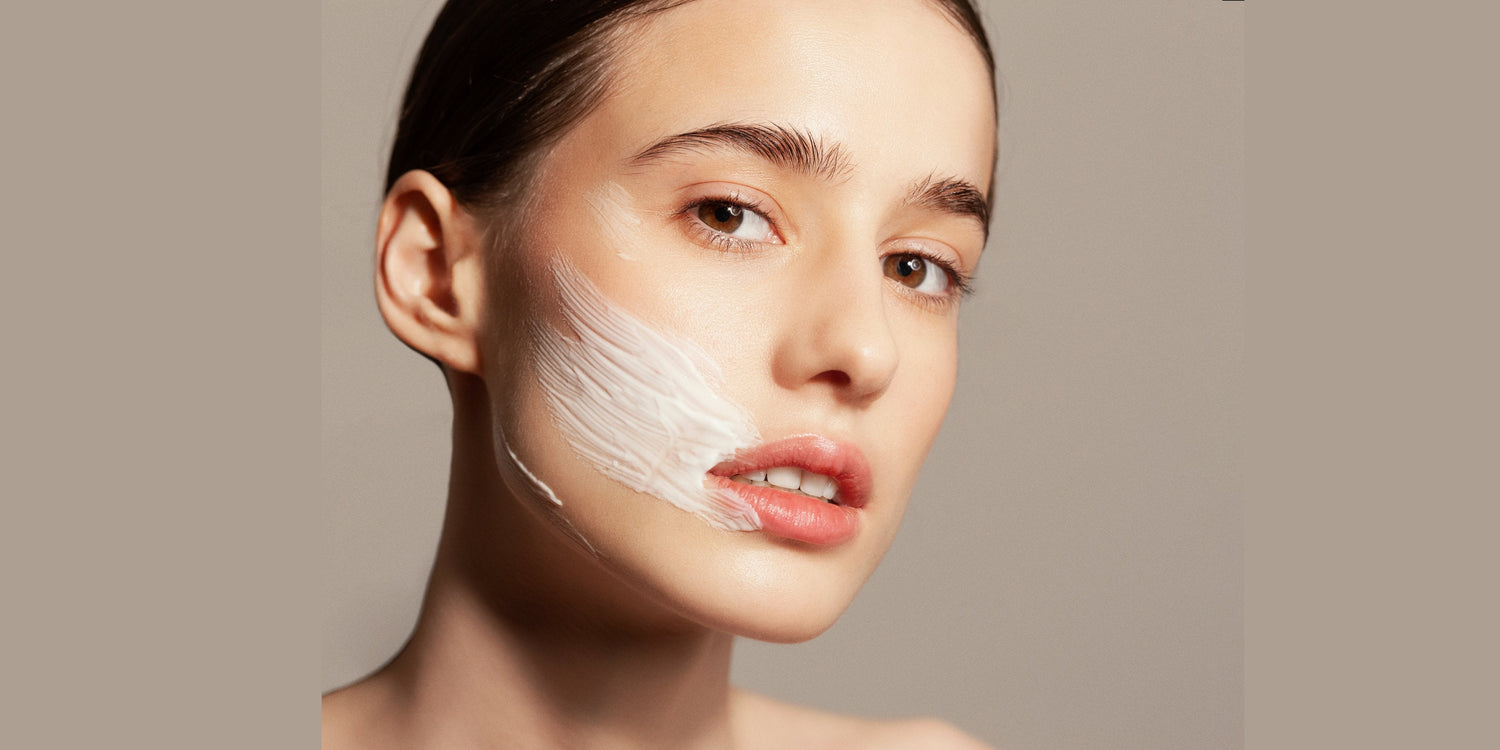


Why Your Skin Is More Sensitive Than Ever, and What To Do About It
Gary WilliamsWhy Your Skin Is More Sensitive Than Ever, and What To Do About It
Have you noticed your skin reacting more than usual? Redness, dryness, or flare-ups that seem to appear without warning are common concerns that can cause significant frustration. You are not alone, and this is a documented physiological response. The reality is that our skin is constantly interacting with a complex array of internal and external factors, and sometimes, the resulting visible changes are a sign that the skin requires a more supportive approach. Understanding your skin type can help you choose the right care; see Skin Types - Everything you need to know for more details.
Sensitivity is increasingly prevalent in modern life. In fact, a significant percentage of individuals experience heightened skin reactivity at various stages of their lives. While some individuals have a genetic predisposition to sensitivity, many experience what is known as acquired sensitivity. This acquired state often develops as a result of environmental stressors, the overuse of active ingredients, or a compromised skin barrier. When the skin is constantly challenged, its natural defence mechanisms can become overwhelmed.
At Skin Virtue, we approach sensitivity not as a permanent flaw, but as a critical signal. It is an indication that the skin's fundamental equilibrium has been disrupted. When you understand how to respond to these signals with structured, supportive care, your skin can become visibly calmer, stronger, and more resilient over time. Our focus is on long-term skin compatibility and visible results without irritation. Learn more about our Pure Nourish collection designed for reactive skin.
Understanding the Causes of Acquired Sensitivity
Skin sensitivity does not always originate at birth. Many individuals experience a shift in their skin's behaviour later in life. This change is frequently linked to several key factors that disrupt the skin's natural equilibrium and compromise its structural integrity:
- Overuse of Active Ingredients: The frequent application of harsh exfoliants, strong acids, or highly concentrated actives can overwhelm the skin. While these ingredients may offer benefits when used correctly, their overuse is a leading cause of visible irritation and barrier disruption.
- Environmental Stressors: Daily exposure to urban pollution, ultraviolet radiation, extreme weather conditions, and even artificial indoor heating or cooling can deplete the skin's natural defences. Over time, this constant exposure can lead to a state of chronic reactivity. For strategies to protect your skin, see Our 3 Phase approach to pollution and skin health.
- Chronological Ageing: As we age, the skin's structural integrity naturally changes. The production of essential lipids and structural proteins slows down, which can impact the skin's ability to retain moisture and defend against external aggressors. This natural evolution often results in skin that feels more delicate and reactive. For guidance, visit How to choose an anti-ageing skincare routine.
- Compromised Barrier Function: The skin barrier is your first line of defence. When this barrier is weakened, it becomes more permeable. This a
