

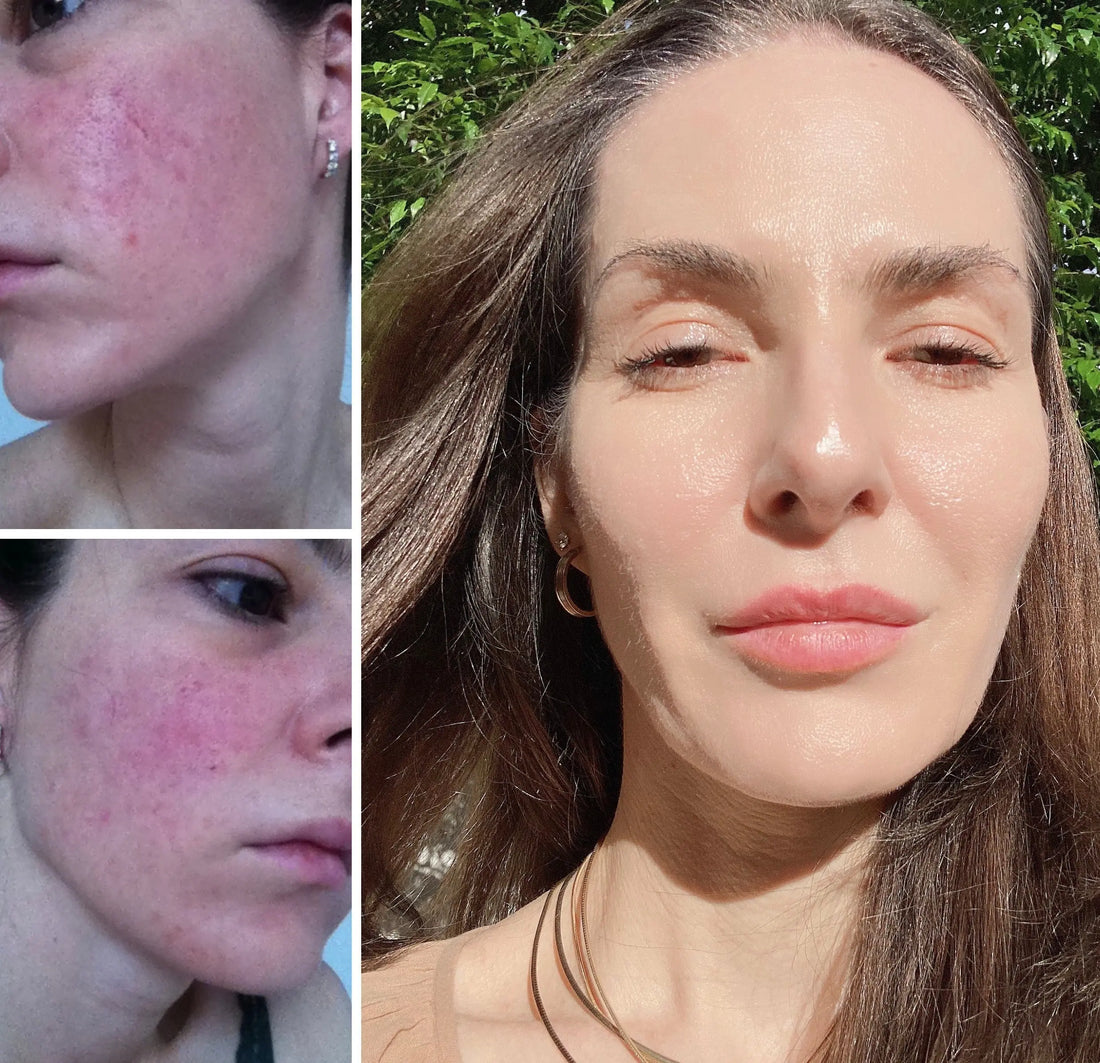
Rosacea Awareness: How Barrier-Supportive Skincare Transforms Patient Outcomes
Gary WilliamsUnderstanding Rosacea and the Importance of Barrier-Supportive Skincare
Rosacea is a chronic, inflammatory skin condition characterised by persistent facial redness, visible blood vessels, and in some cases, papules and pustules. Its complex aetiology involves multiple factors, including vascular dysregulation, innate immune system dysfunction, microbiome imbalance, and crucially, epidermal barrier impairment. Affecting over 400 million people worldwide, rosacea may develop in several subtypes such as erythematotelangiectatic, papulopustular, and phymatous variants, each with distinct clinical features.
Pathophysiology of Rosacea: The Role of Barrier Dysfunction
While vascular and immune components are well-recognised in rosacea pathogenesis, the role of epidermal barrier dysfunction is increasingly acknowledged as a central factor. The stratum corneum acts as the primary defence against environmental aggressors and maintains skin hydration by regulating transepidermal water loss (TEWL). In rosacea-prone skin, impaired barrier function leads to elevated TEWL, increased skin sensitivity, and heightened neurovascular reactivity, all of which contribute to disease perpetuation, flare severity, and common symptoms of rosacea such as redness and irritation. For a deeper understanding of skin barrier function, see The Cellular Architecture of Skin: A Professional Guide to Barrier Function and Regeneration.
Scientific Evidence Supporting Barrier Impairment in Rosacea
- Research published in the International Journal of Molecular Sciences (2021) highlights that barrier disruption is both a trigger and perpetuator of rosacea activity, emphasising the need for barrier-supportive interventions.[Source]
- Rosacea-prone skin exhibits elevated cathelicidin (LL-37) expression, stimulating inflammatory cascades that exacerbate symptoms including redness and swelling.
- Significantly increased TEWL is documented in rosacea patients compared to non-affected controls, indicating compromised skin hydration and barrier integrity.
- Elevated skin pH in rosacea can promote enzymatic activity and microbial imbalance, further destabilising the barrier and potentially contributing to eye problems associated with rosacea.
Clinical Implications: Integrating Barrier Repair into Rosacea Management
Given the pivotal role of barrier dysfunction in rosacea, clinical management should prioritise strategies that support and stabilise the skin barrier alongside conventional treatments. This approach not only helps improve the appearance of rosacea symptoms such as persistent redness and inflammation but also reduces skin reactivity, supports self-care, and enhances patient comfort. For clinical strategies on sensitive skin, refer to Sensitised Skin: Science-Backed Solutions for Professionals.
Phase 1 - Barrier Stability: The Foundation of Rosacea Care
In Skin Virtue’s 3-Phase System, Phase 1 focuses on restoring and maintaining barrier integrity. For patients with normal to dry skin types, the Barrier Recovery System (Pure Nourish Collection) offers formulations rich in barrier lipids, antioxidants, and hydrating agents that replenish essential skin components and reduce transepidermal water loss. For those with oily or combination skin, t
