

Skin Barrier First: The Science Behind Better Clinical Outcomes
Gary WilliamsSkin Barrier First: The Science Behind Better Clinical Outcomes
If you are observing inconsistent results or prolonged recovery periods in your clinic, the issue often lies not with the peel or the patient, but with the integrity of the skin barrier.
Recent dermatological research confirms what many professionals have long suspected: impaired barrier function compromises how skin tolerates and responds to clinical treatments. A 2023 review in the Journal of Cosmetic Dermatology reported that barrier dysfunction can elevate the risk of post-treatment inflammation by up to 48%. This highlights a critical paradigm in modern dermal therapy - optimising the skin barrier is not an optional add-on, but the foundational step in any skin transformation journey.
The Clinical Impact of Barrier Dysfunction
Recent research has deepened our understanding of how essential skin barrier integrity is for therapeutic outcomes. When the stratum corneum is compromised, the skin’s ability to defend against external aggressors and retain vital moisture is severely diminished. This leads to a cascade of inflammatory responses that can derail even the most carefully planned treatment protocols.
Key clinical studies support the link between barrier dysfunction and increased inflammation:
- Meng J, et al. (2025): Highlighted the impact of epithelial skin barrier dysfunction in type 2 inflammation-related diseases like atopic dermatitis, underscoring the systemic effects of a compromised barrier.
- Proksch E, et al. (2024): Detailed the stratum corneum’s role as a functional skin barrier and its correlation with increased sensitivity and reactivity when compromised.
- Smith L, et al. (2024): Explored the role of formylpeptide receptor 1 in mediating inflammatory pathways after barrier disruption, providing mechanistic insight into why compromised skin reacts poorly to clinical interventions.
Common Contributors to Barrier Impairment
In a clinical setting, it is essential to identify the factors contributing to a weakened barrier before initiating advanced treatments. Common culprits include:
- Overuse of harsh exfoliants and highly concentrated active ingredients without adequate recovery time. See also Why Active Ingredients Aren't the Enemy for guidance on ingredient use.
- Environmental aggressors, such as UV radiation, pollution, and extreme climate conditions, which continuously challenge the skin's natural defences. For more on this, refer to The Professional Guide to Pollution and Skin Health.
- Genetic predispositions that render certain skin types inherently more susceptible to dryness and structural instability.
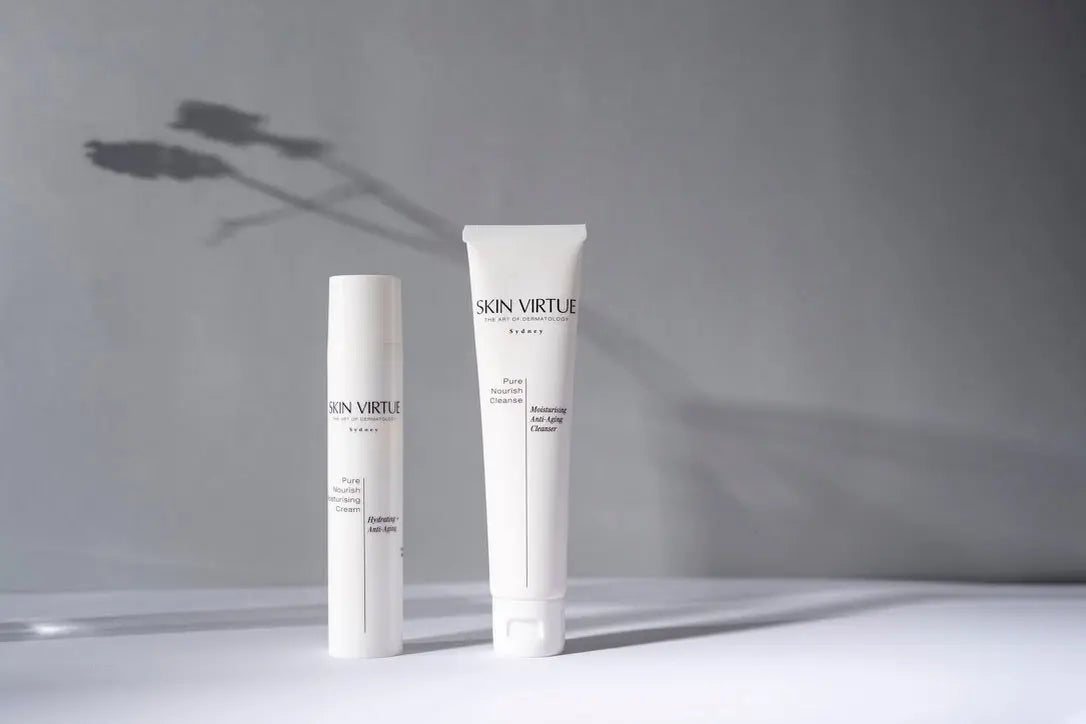
The Skin Virtue Approach: System-Led Barrier Support
Skin Virtue operates on a structured, 3-Phase Core System designed to ensure long-term skin compatibility and visible results. The first and most critical phase is Phase 1 - Barrier Stability. This phase focuses on fortifying the skin's natural defe
