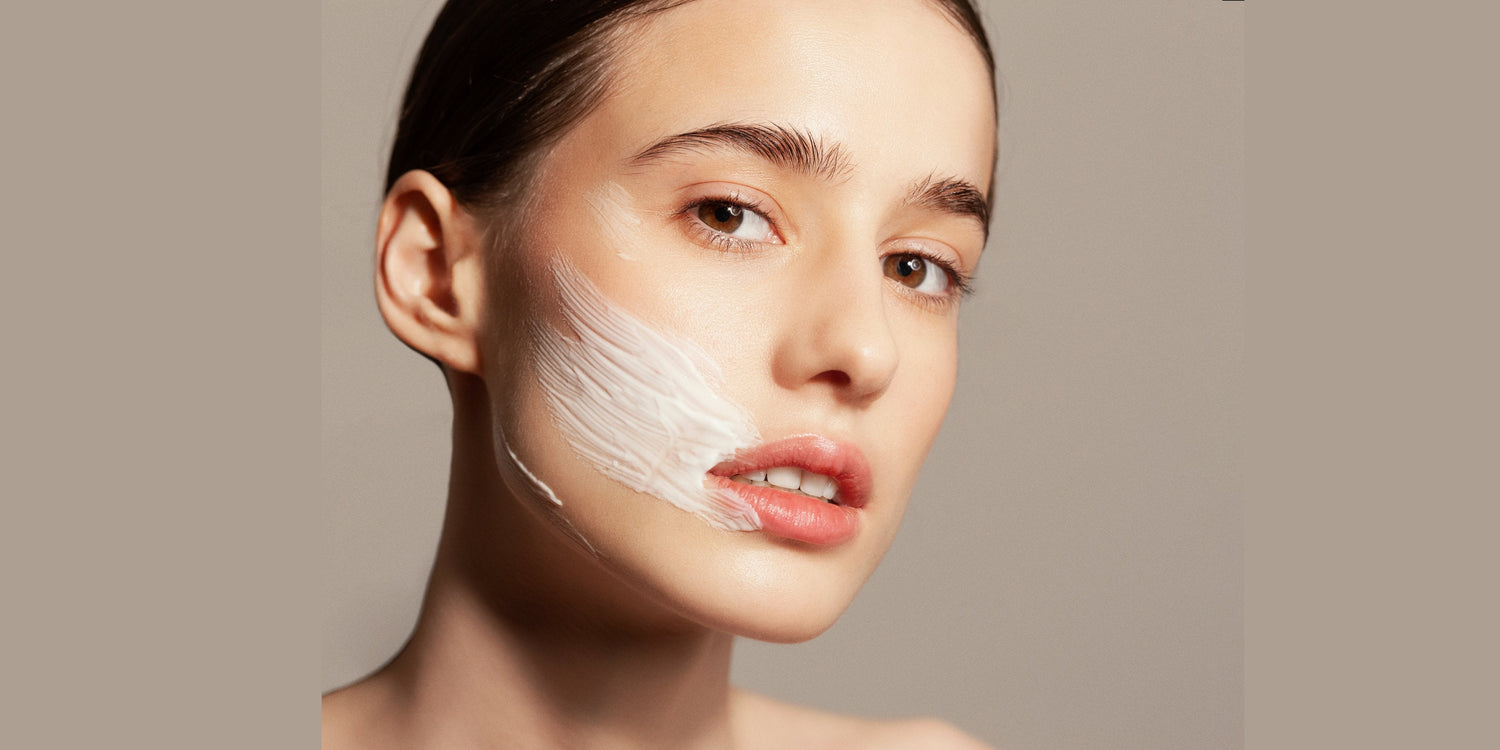

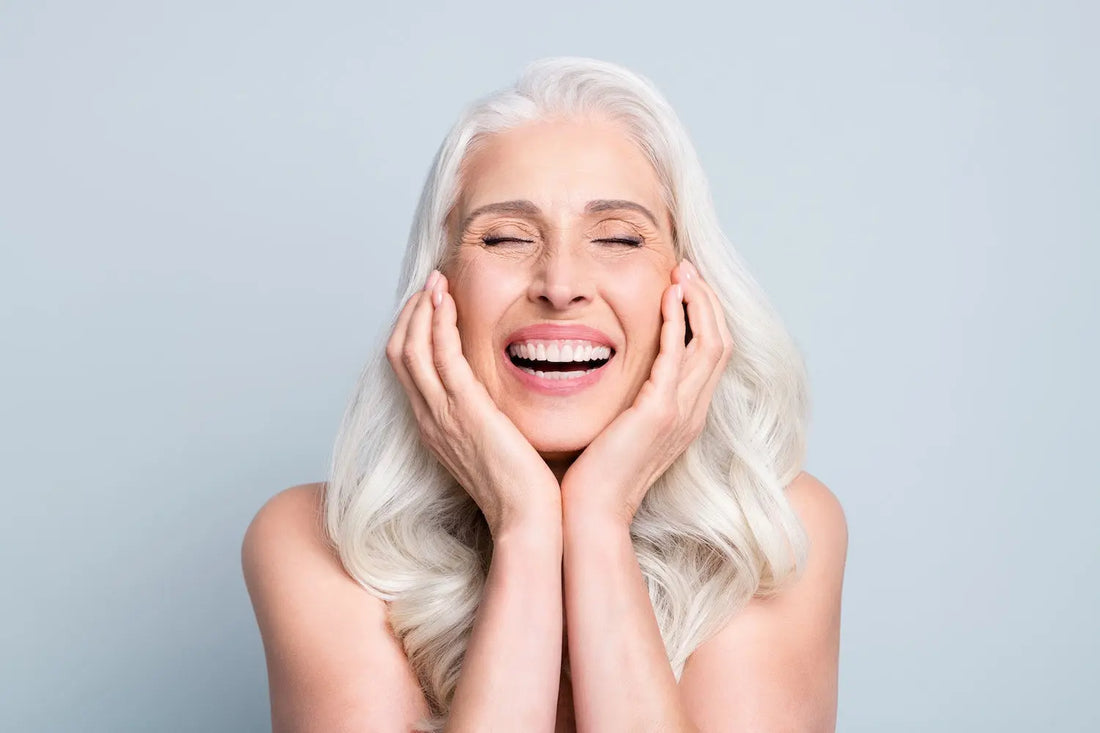
The Power of a Mature Aesthetics: Rethinking Ageing in Skincare and Aesthetic Medicine
Gary WilliamsThe Power of a Mature Aesthetics: Rethinking Ageing in Clinical Practice
In the landscape of aesthetic medicine and professional skin therapy, practitioners are increasingly moving away from the paradigm of fear-based marketing and the aggressive pursuit of youth. The traditional focus on erasing every line and suppressing natural structural changes can inadvertently disconnect patients from their visible identity. At Skin Virtue, we advocate for a profound shift in clinical practice: embracing a mature aesthetic. This approach does not mean abandoning the desire for optimal skin function or visible improvements; rather, it involves reframing our clinical objectives to support structural longevity, barrier stability, and the preservation of authentic facial character.
Moving Beyond the Limitations of "Anti-Ageing"
The term "anti-ageing" often implies a battle against an inevitable biological process. In professional settings, this can lead to treatment plans that prioritise short-term aesthetic changes over long-term skin compatibility. Aggressive interventions, while sometimes yielding immediate visual differences, can compromise the skin barrier and trigger inflammatory responses, particularly in sensitised individuals. A mature aesthetic requires a more sophisticated clinical perspective. It focuses on pro-structure and pro-resilience strategies, aiming to optimise the skin's inherent functions and support its ability to adapt to chronological and environmental stressors. By shifting the dialogue with patients, clinicians can foster a more sustainable and supportive approach to skin management.
Defining a Mature Aesthetic in Clinical Protocols
Implementing a mature aesthetic in clinical practice involves a comprehensive understanding of skin biology and patient psychology. It requires a strategic focus on three core pillars:
Structural Longevity: This involves preserving the integrity and function of the skin over time. Clinicians must select modalities and topical formulations that support the extracellular matrix, enhance hydration retention, and promote a robust epidermal barrier. The goal is to cultivate a resilient architecture that can withstand the natural processes of chronological maturation.
Visible Identity: A mature aesthetic respects the features that make a patient uniquely themselves. It avoids over-correction and the homogenisation of facial appearances. Instead, it seeks to enhance the skin's vitality and luminosity, allowing the individual's inherent character to remain the focal point. It is about supporting the best version of the patient at their current stage of life.
Embodiment of Life's Story: Ageing carries expressive, social, and functional value. It is a biological reflection of an individual's experiences. A clinical approach that honours this reality builds deeper trust and fosters a more positive the
